
The members of the Ad Hoc Committee of the UPD Programang Pagpapamana ng Dunong Katutubo mula sa mga Tagapag-ingat ng Kalinangan / UPD Culture Bearers-in-Residence Program (CBiR) conducted consultations and benchmarking visits with Hokkaido University (HU), UPOPOY National Ainu Museum, and Temple University in Tokyo from February 23 to March 2, 2026.
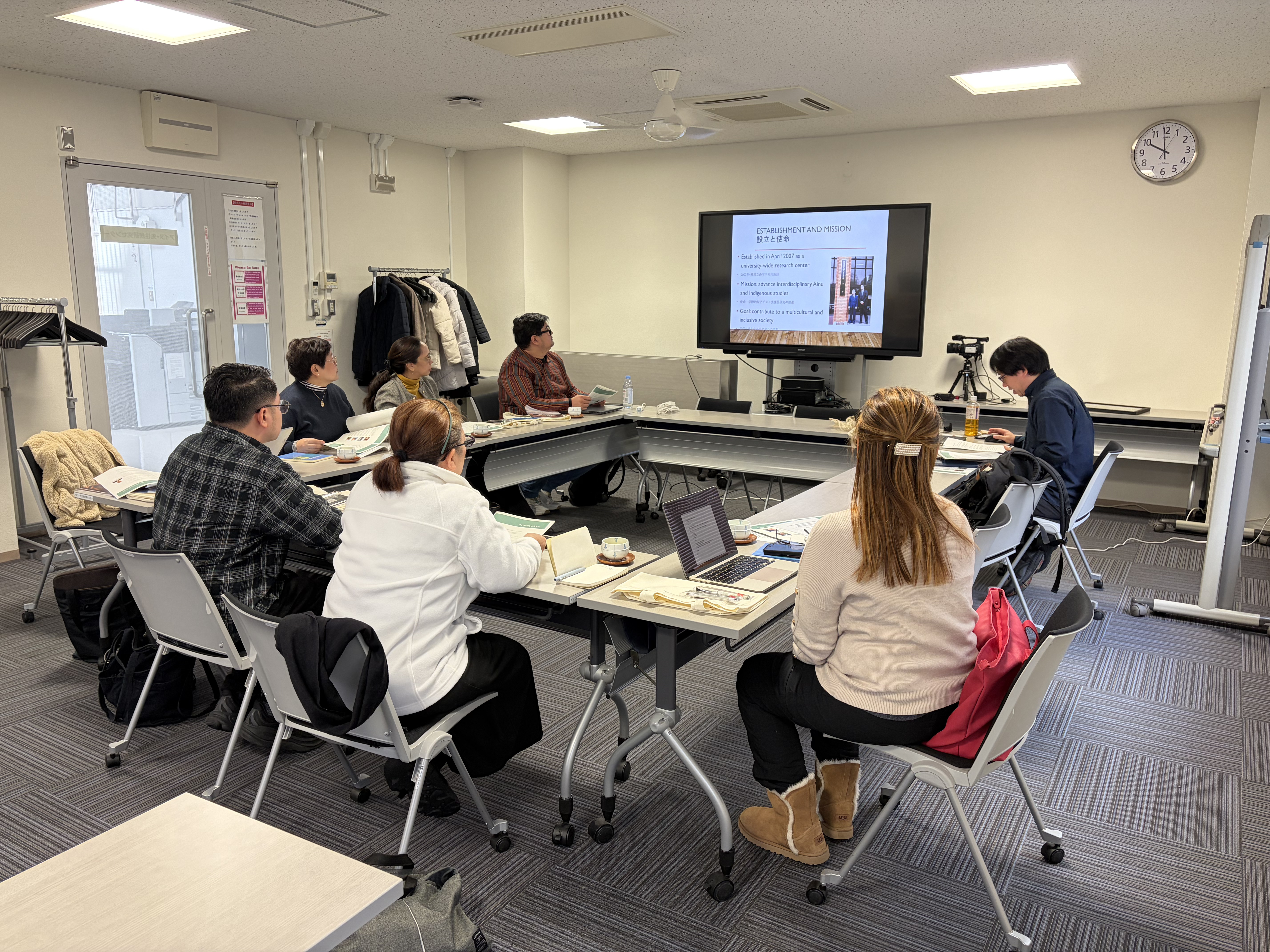
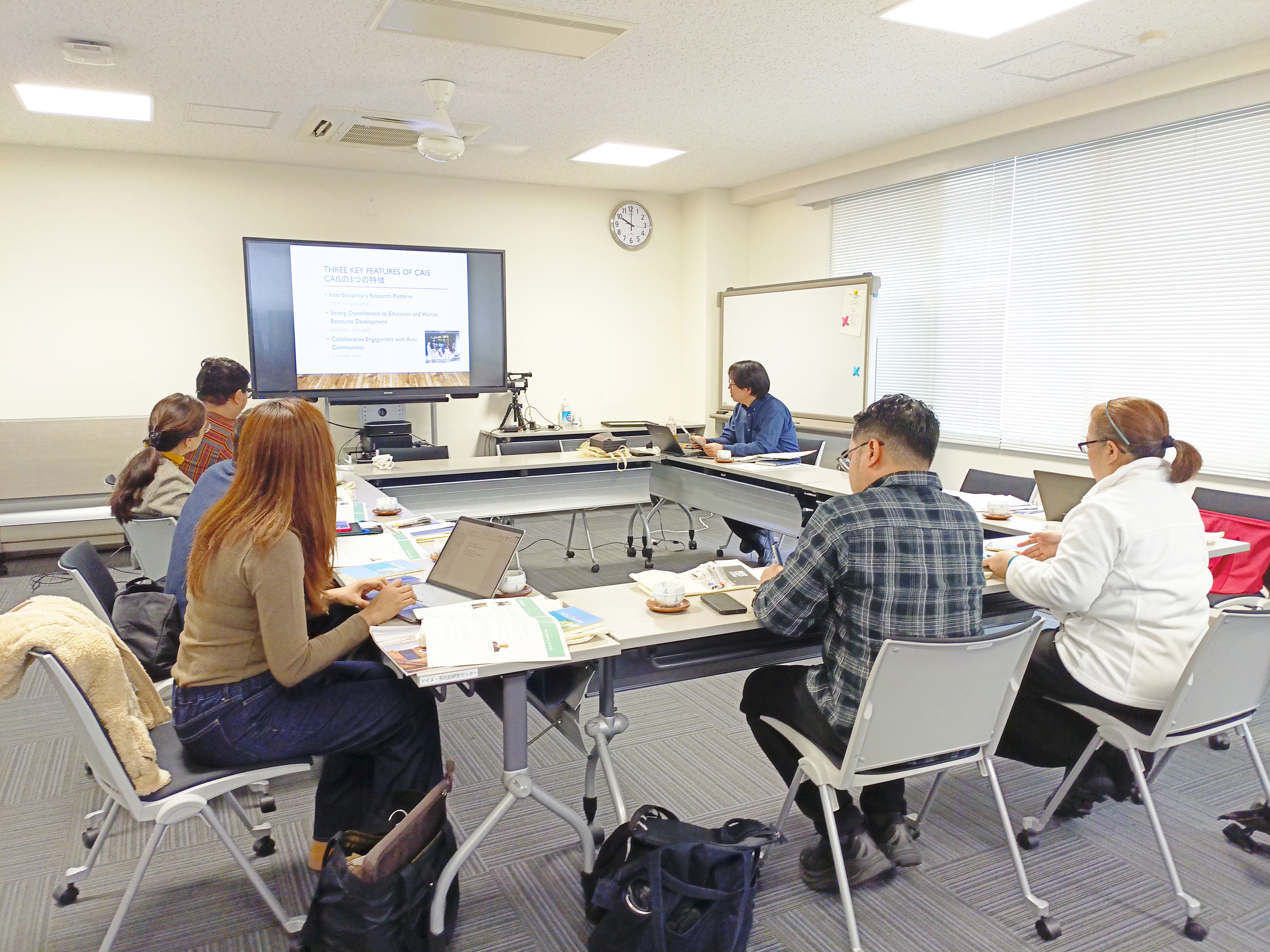
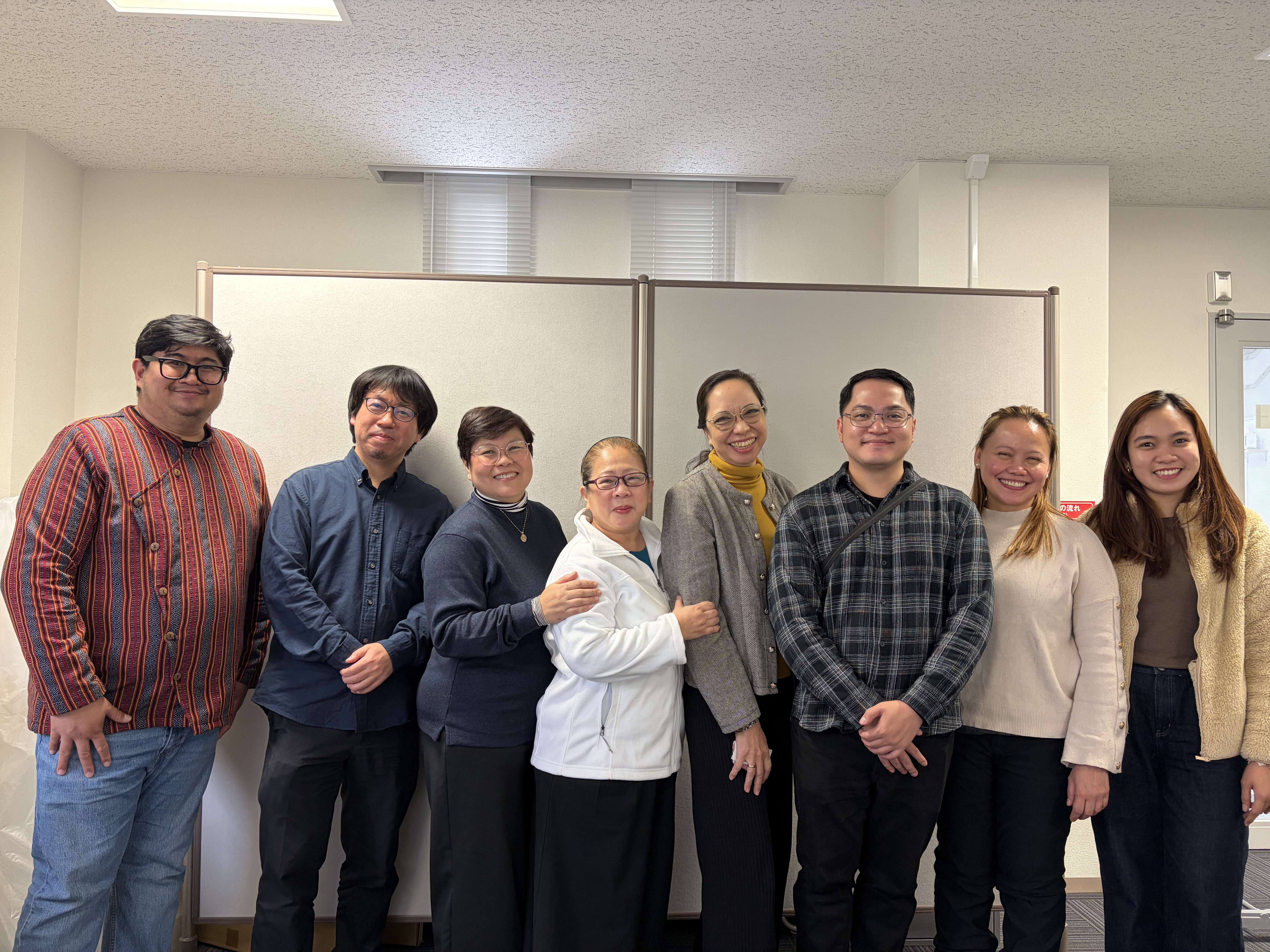
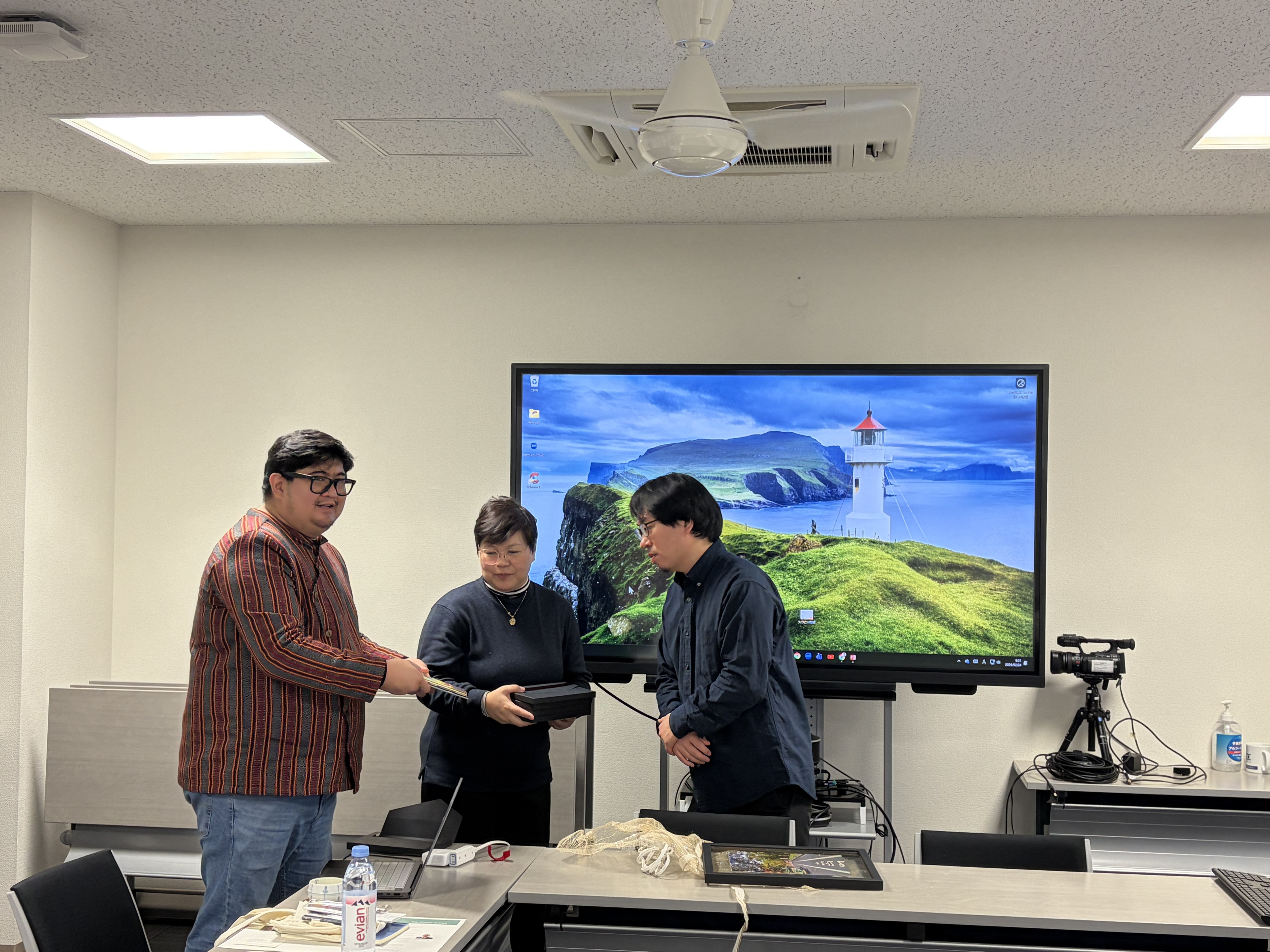
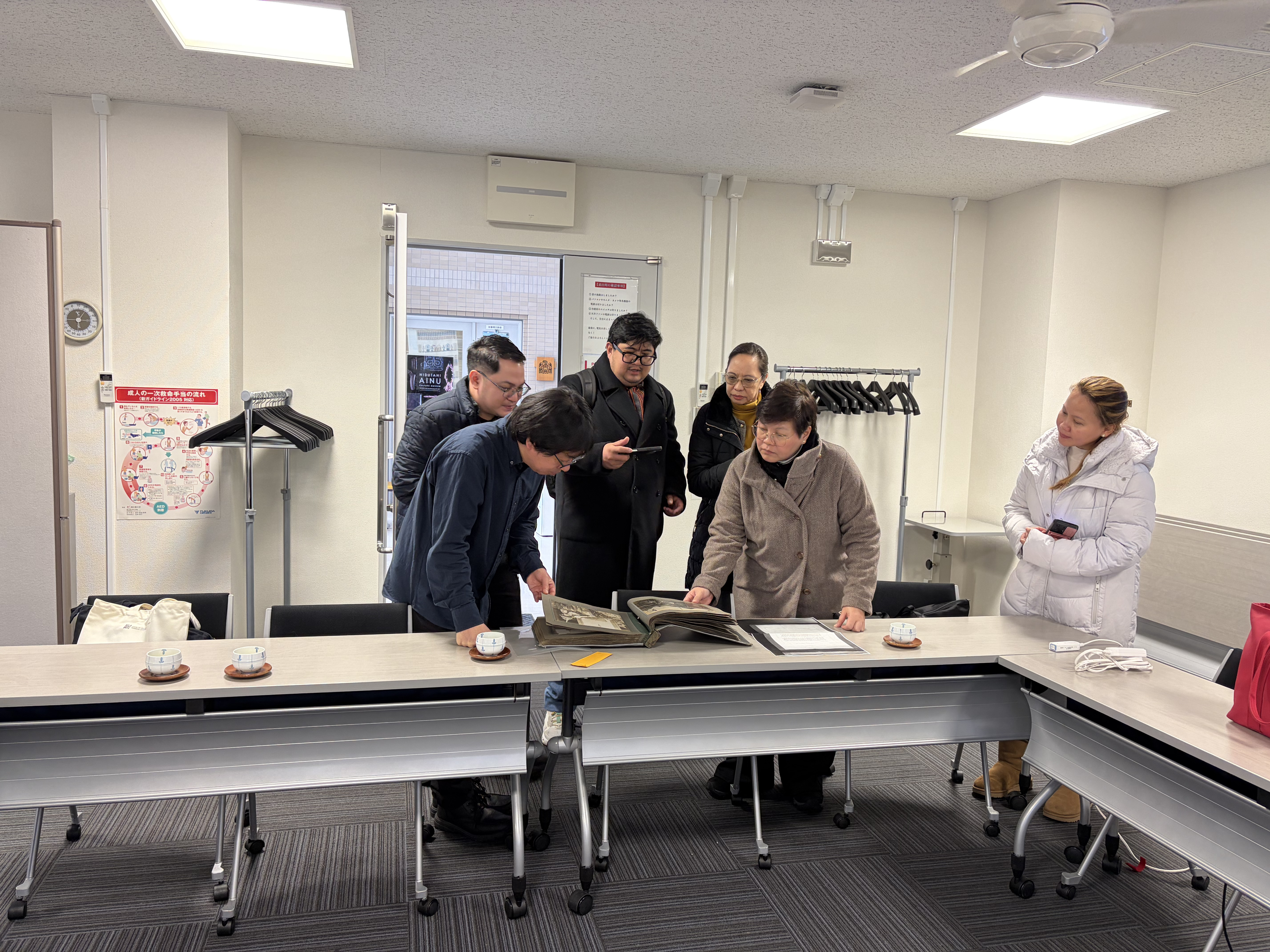
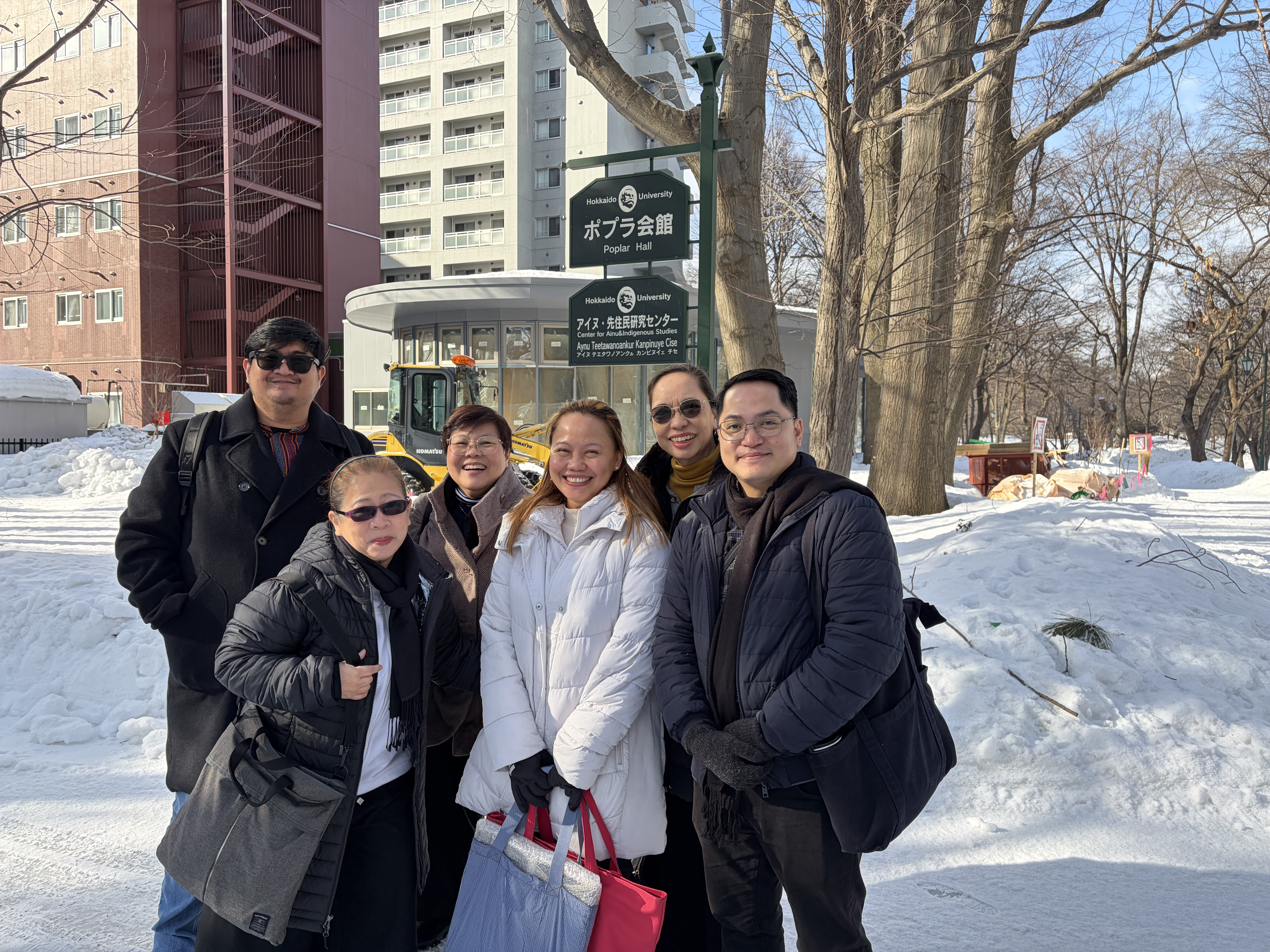
The CBiR team met with Dr. Yoji YAMASAKI, Director of HU’s Center for Ainu and Indigenous Studies (CAIS), on February 24, 2026. The team presented the current status of the program, highlighting plans to upgrade it into a center called the UPD Center for Indigenous Knowledge and Local Cultures.
HU currently hosts various programs emphasizing its commitment to safeguarding, protecting, and welcoming Indigenous Peoples, especially the Ainu, the original inhabitants of Hokkaido Island. Besides serving as an academic center, HU is also dedicated to building a community that recognizes and respects the Ainu people by establishing the Office for Ainu Relations and Initiatives (OARI), which conducts projects and programs both within and outside the university to promote mutual understanding and respect between the Ainu and other university members.
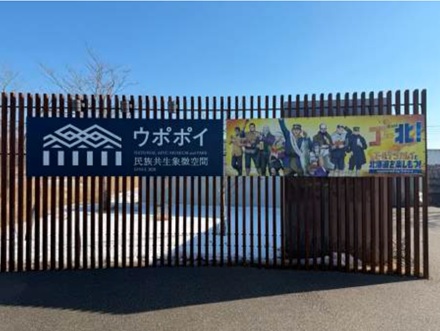
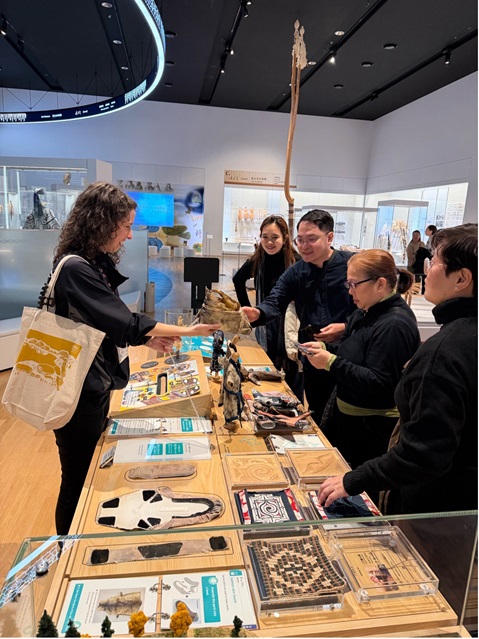
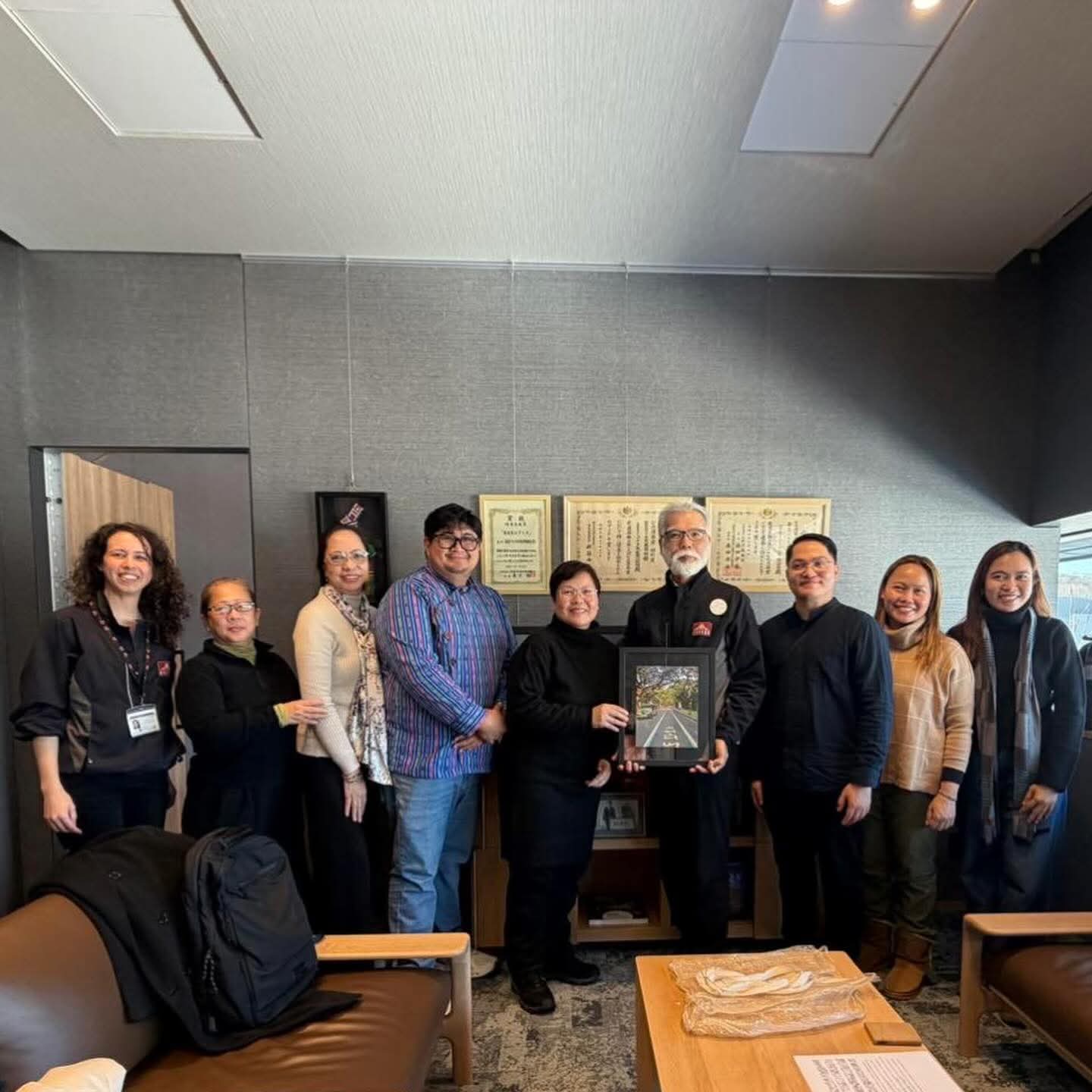
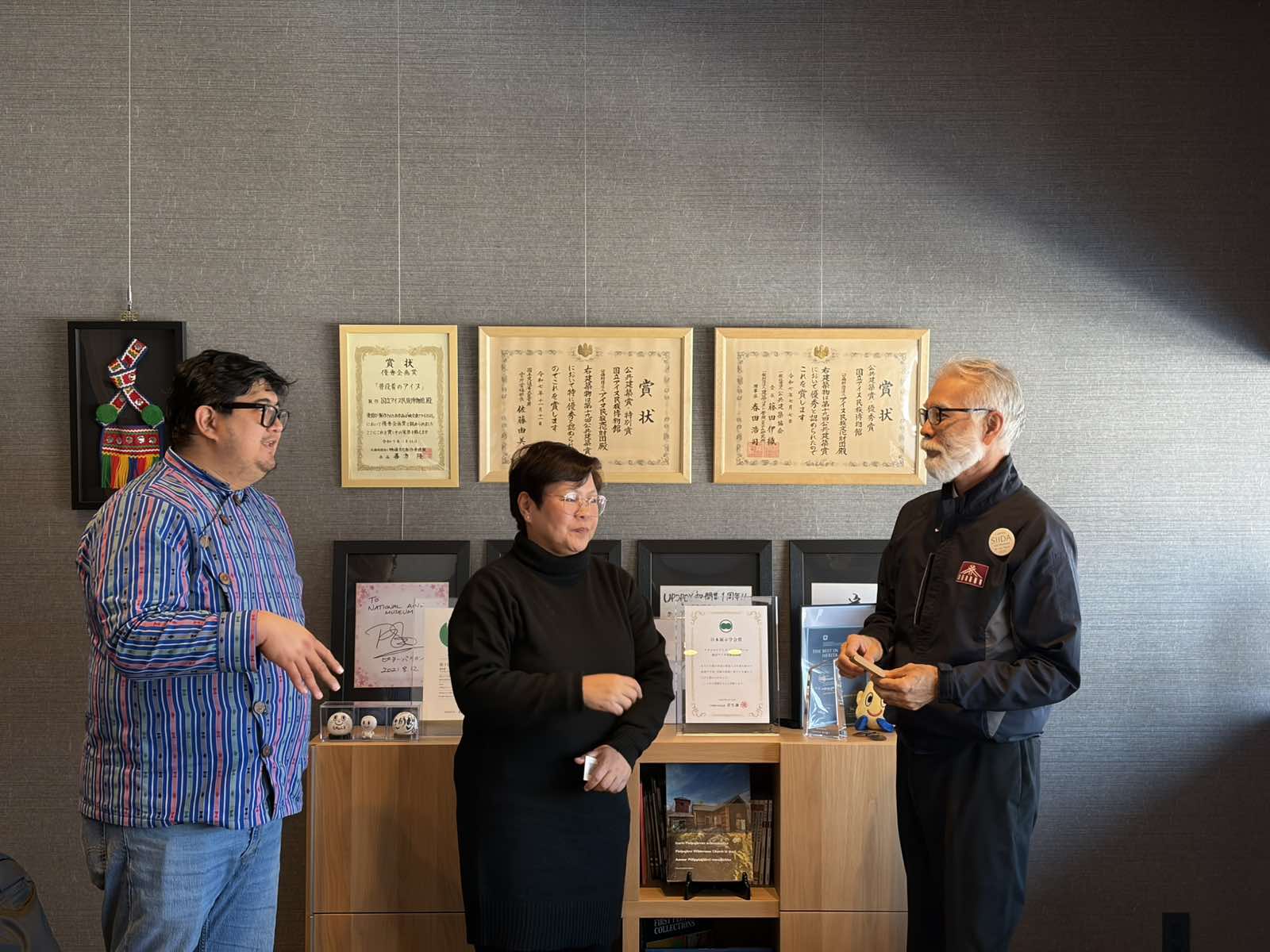
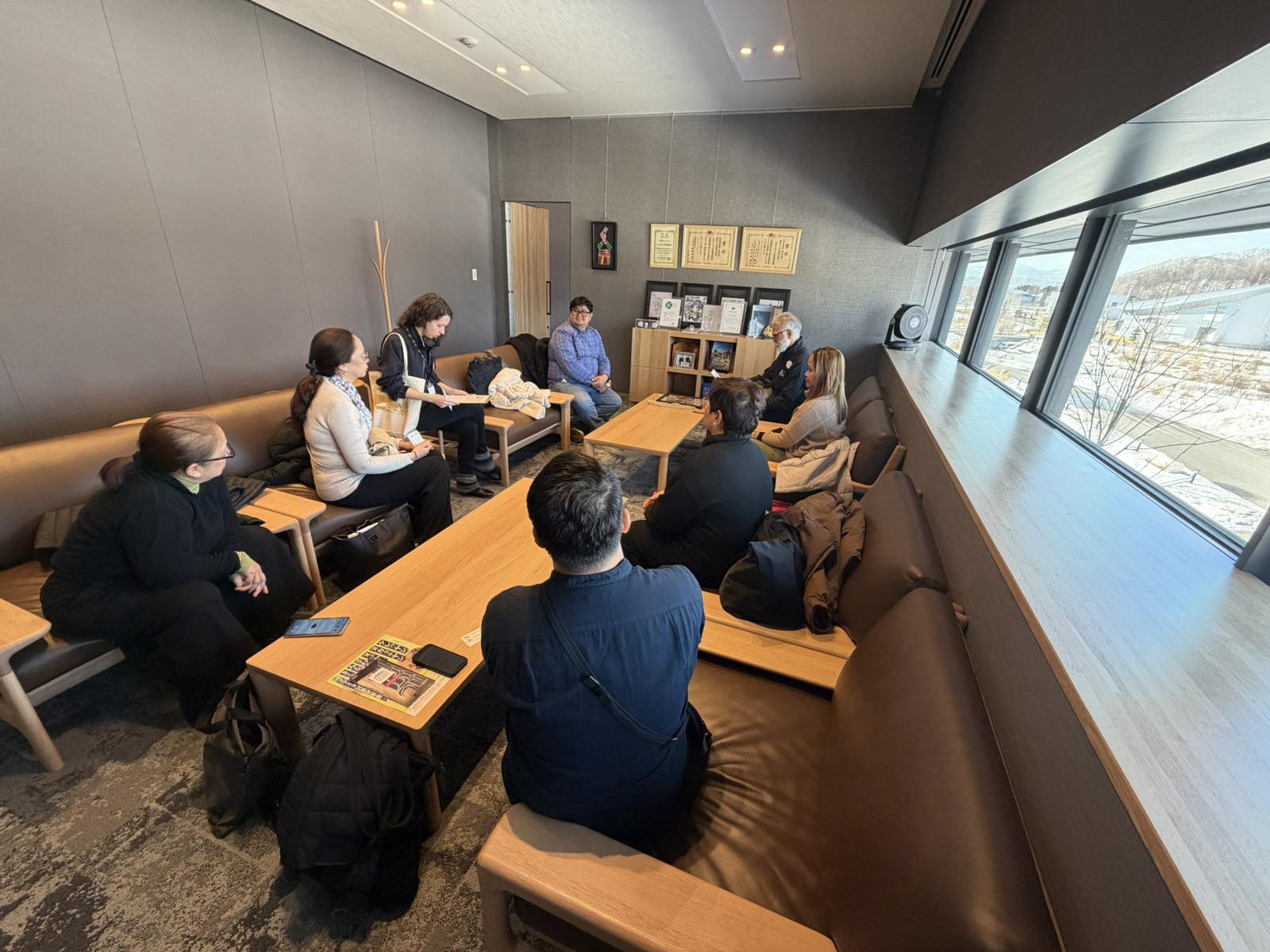
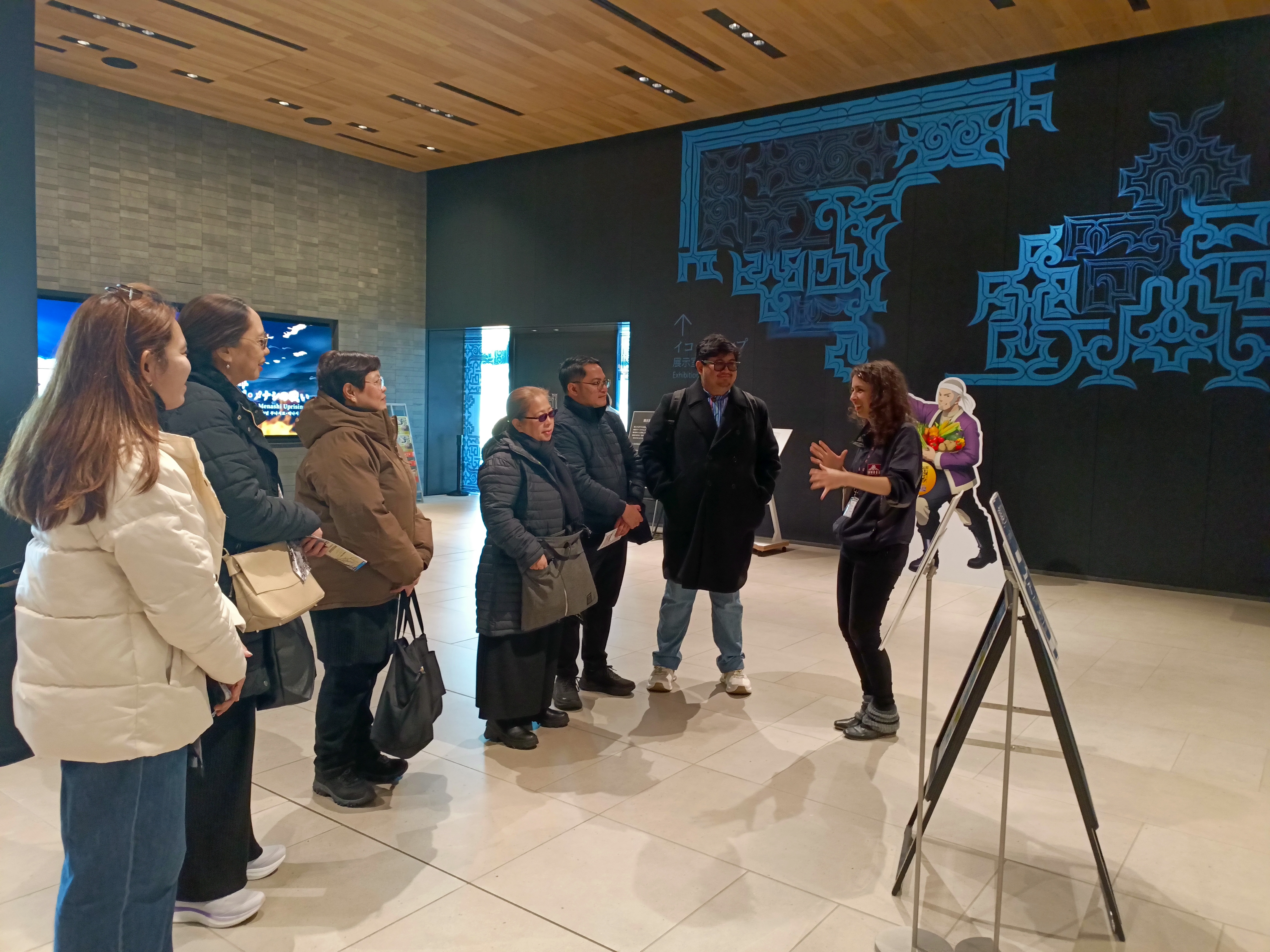
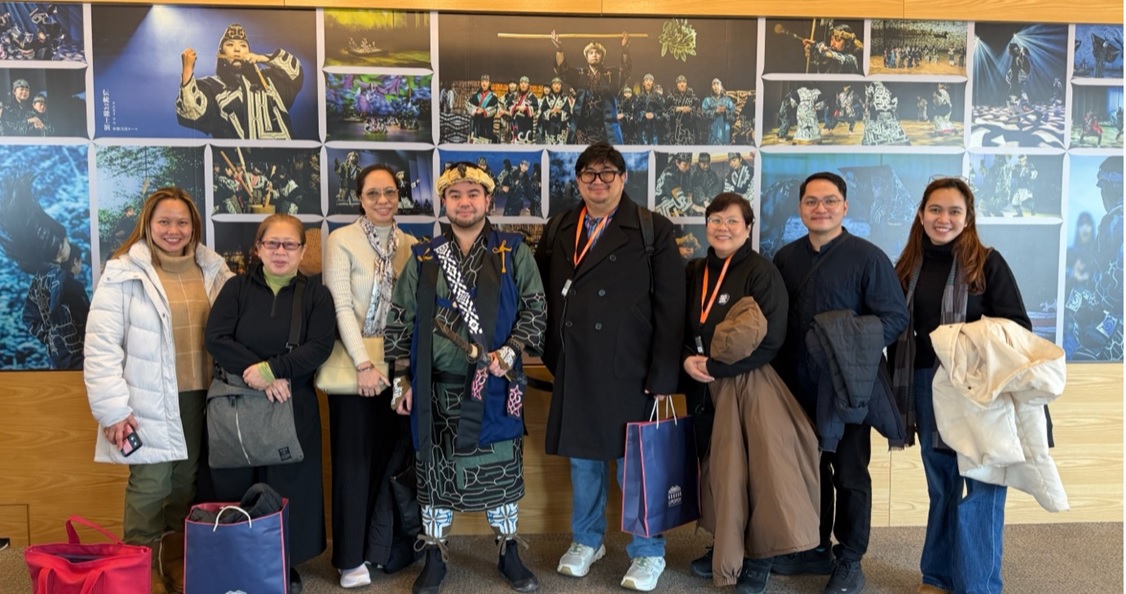
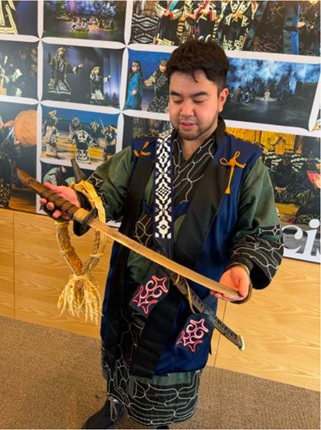
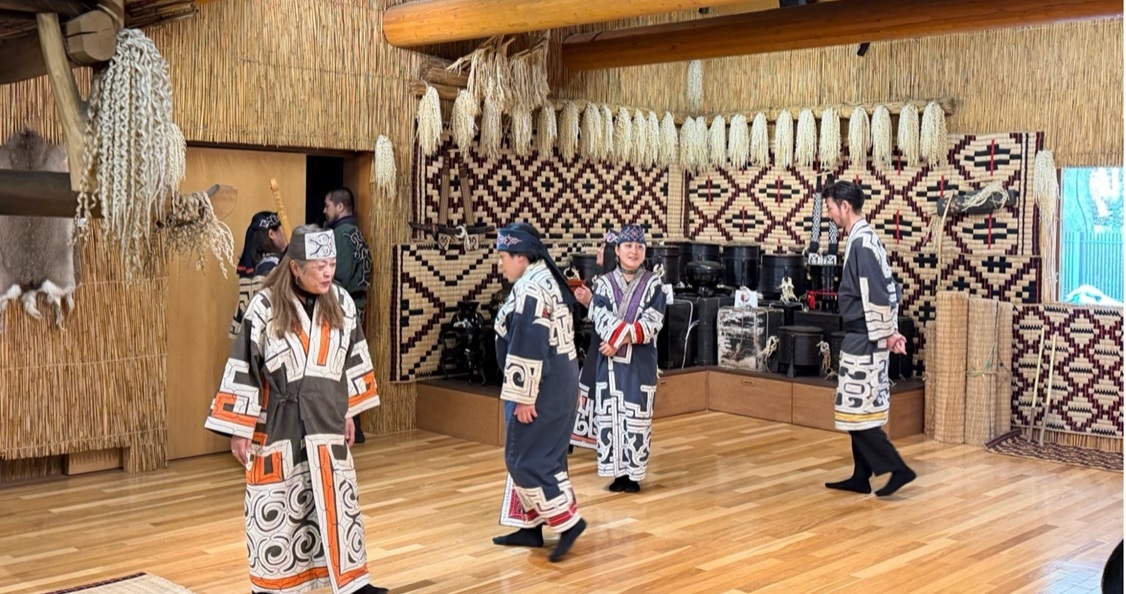
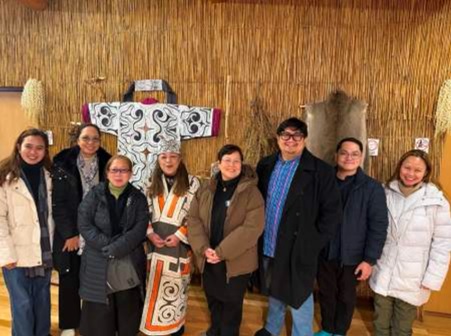
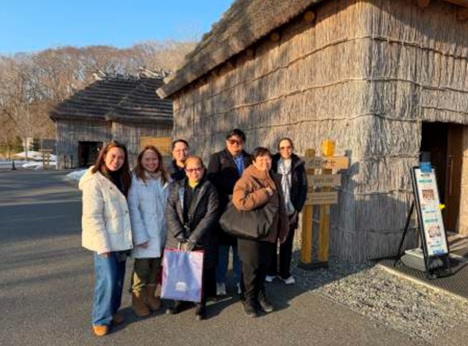
On February 25, the team visited the Shiraoi district to meet with officials from UPOPOY National Ainu Museum and Park (UPOPOY). UPOPOY officials welcomed the team with a tour of the museum, which concluded with a meeting with UPOPOY’s Administration led by its Executive Director, Mr. NAMOTO Masahiro. A potential Memorandum of Agreement between the team and UPOPOY was discussed. Afterwards, the team met some members of the Ainu community at the Cultural Hall and the Ainu Village.
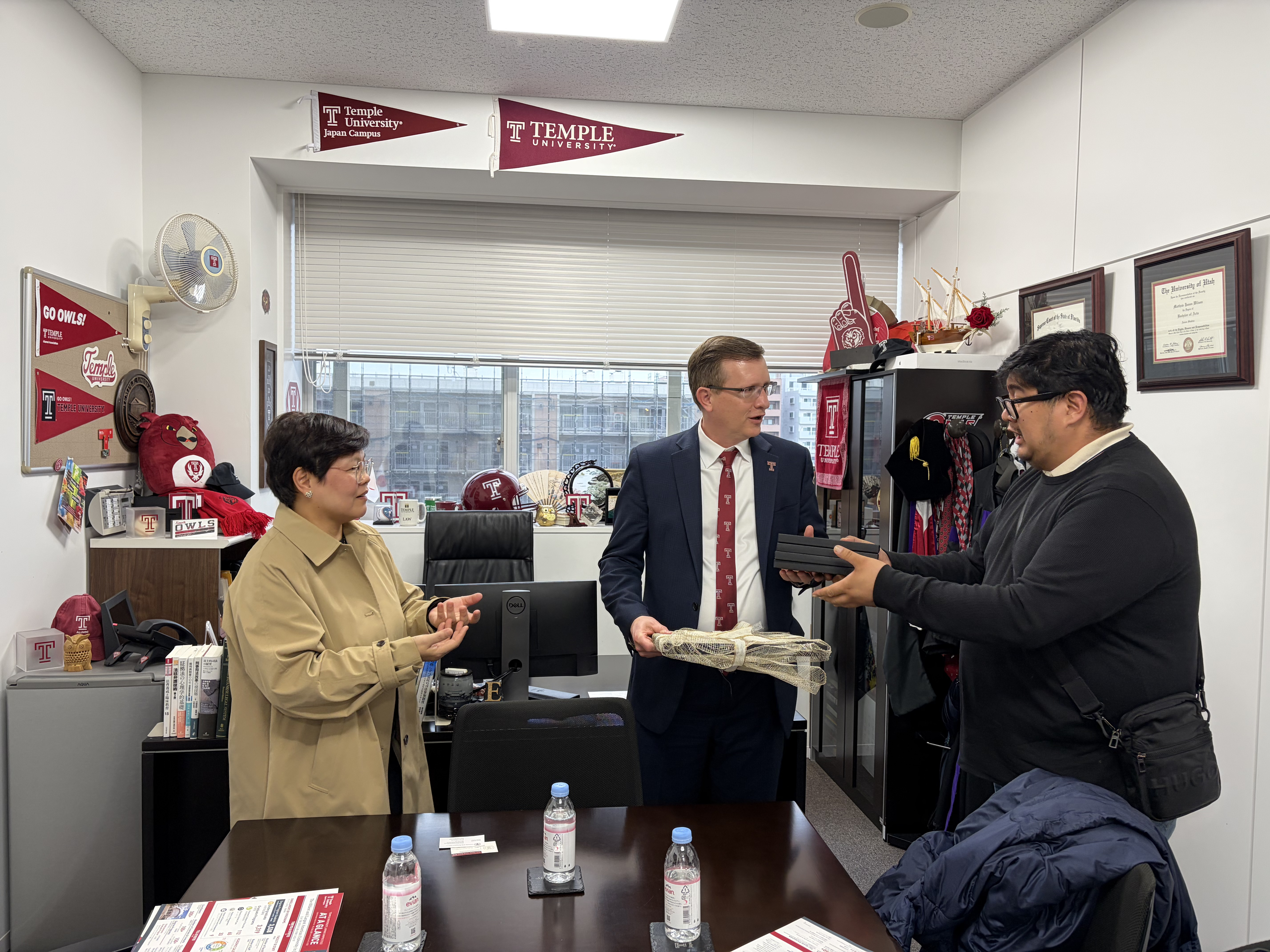
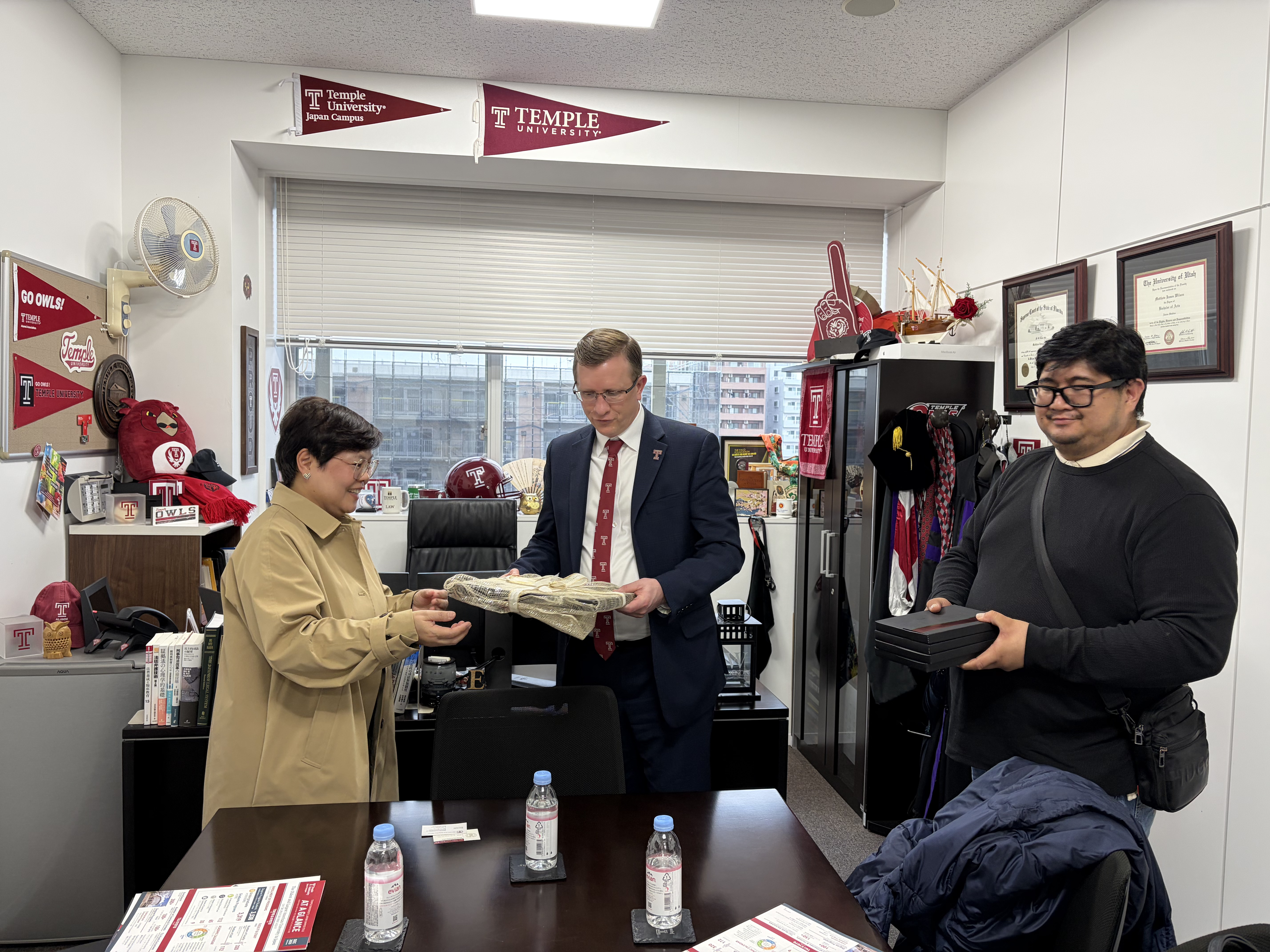
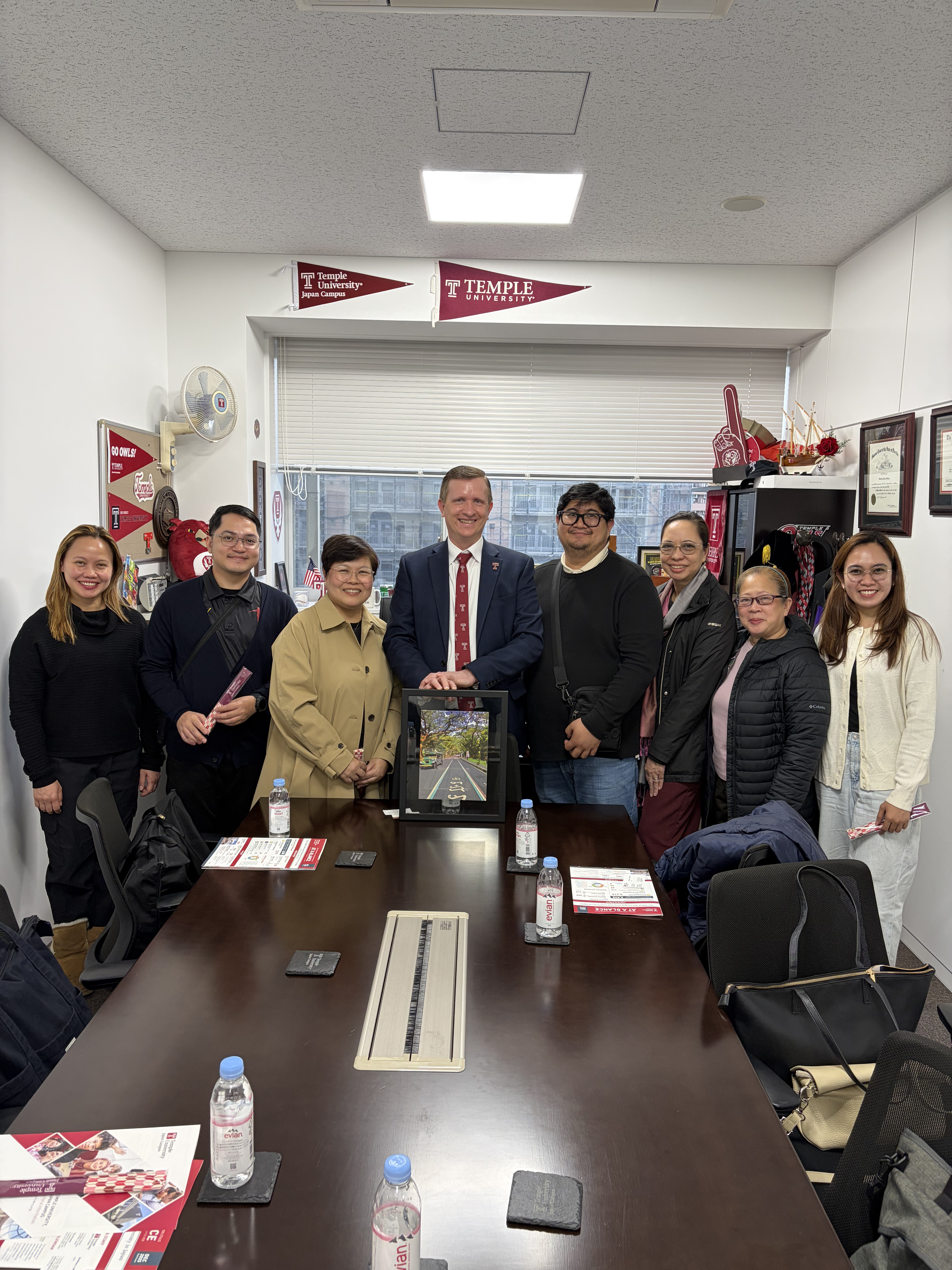
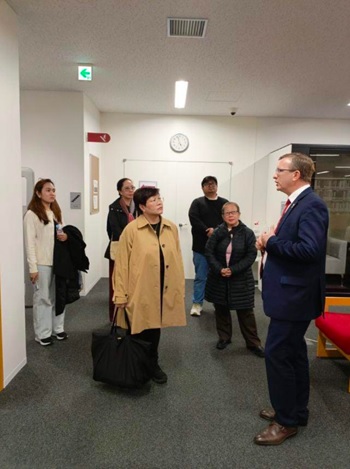
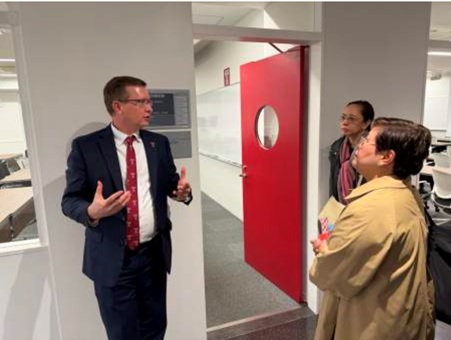
In Tokyo, the team met with Mr. Matthew Wilson, President of Temple University Japan (TUJ), on February 27. President Wilson graciously guided the team around the campus and delivered a short presentation.

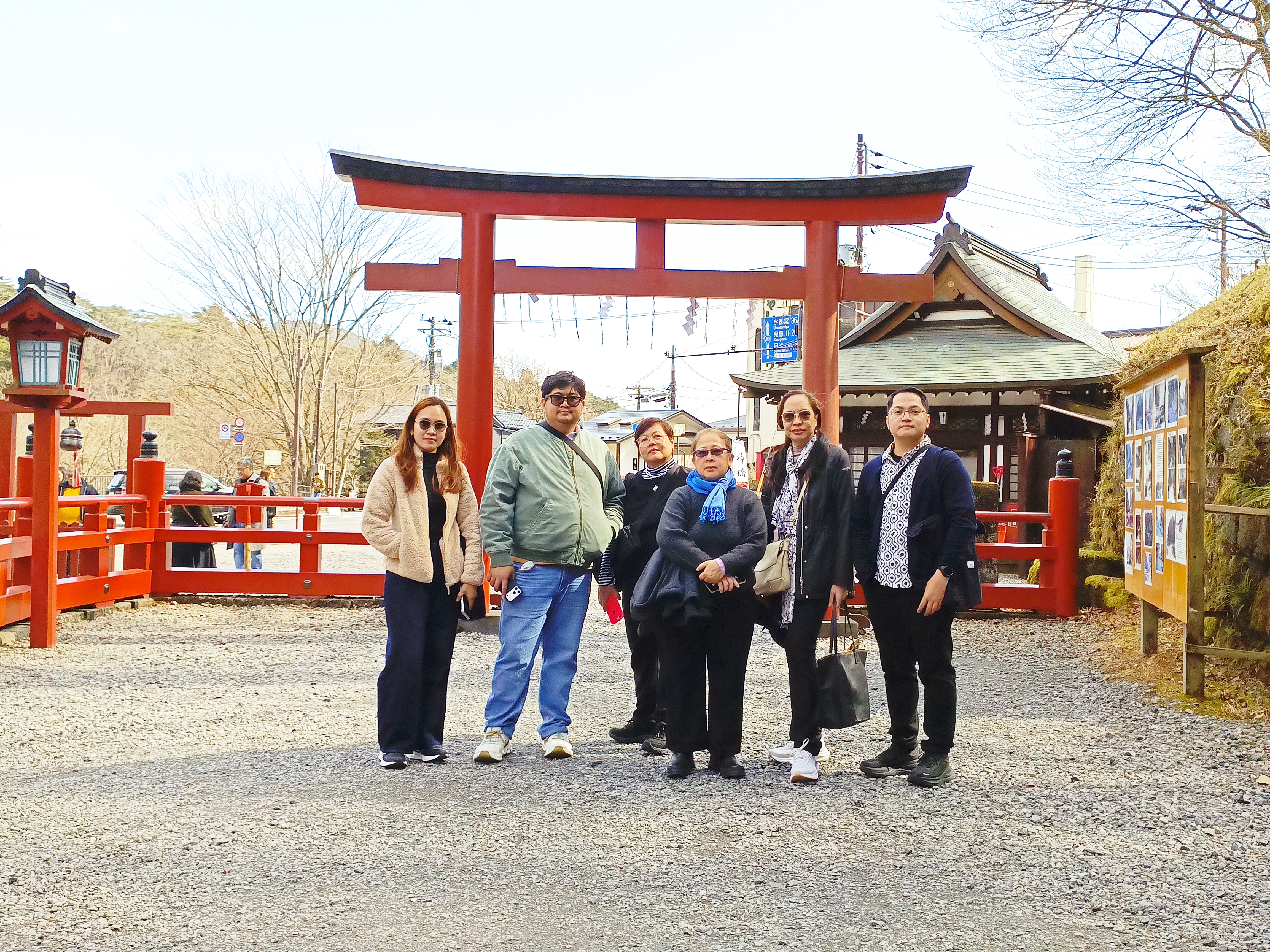
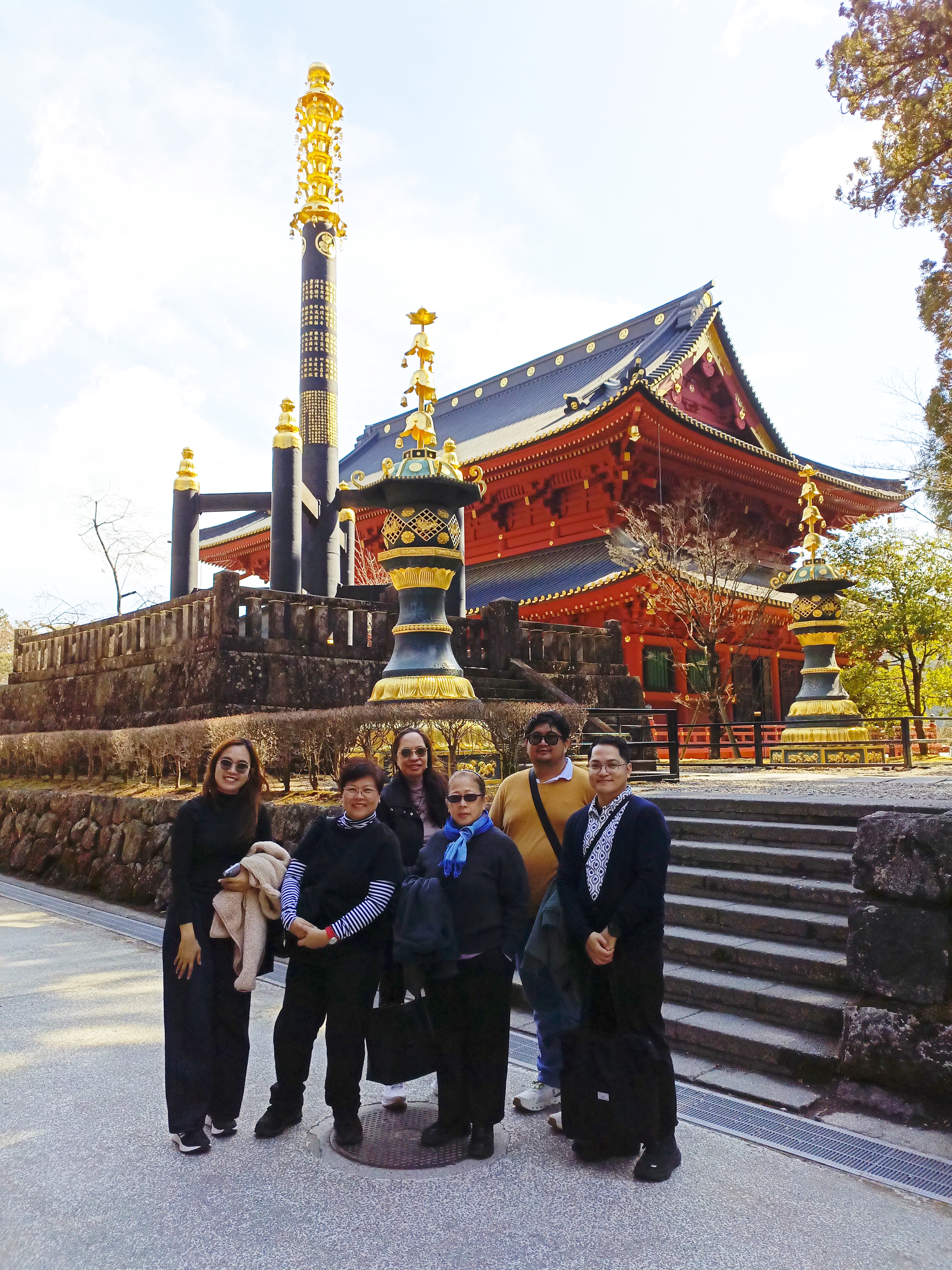
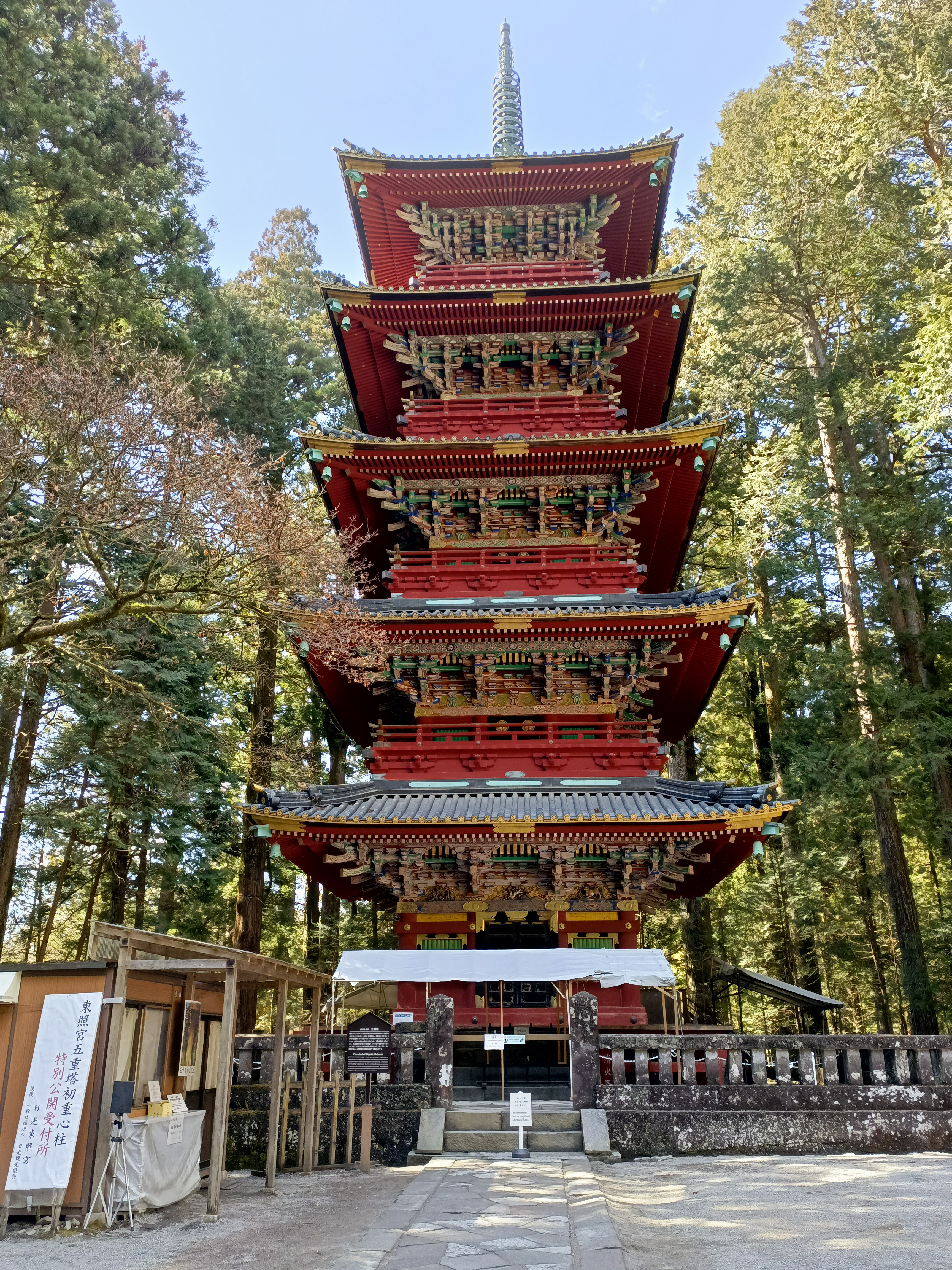
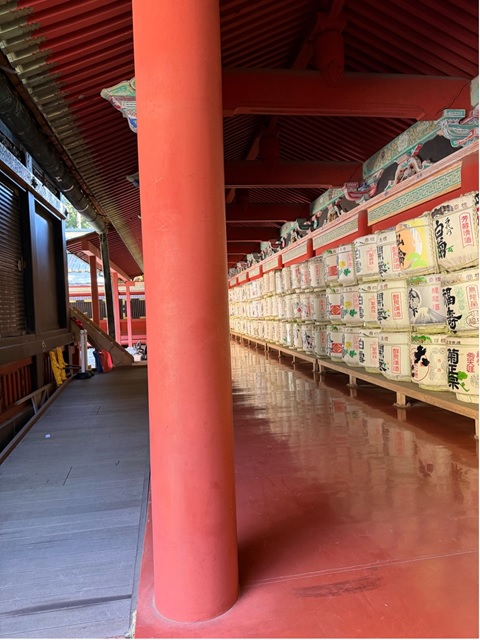
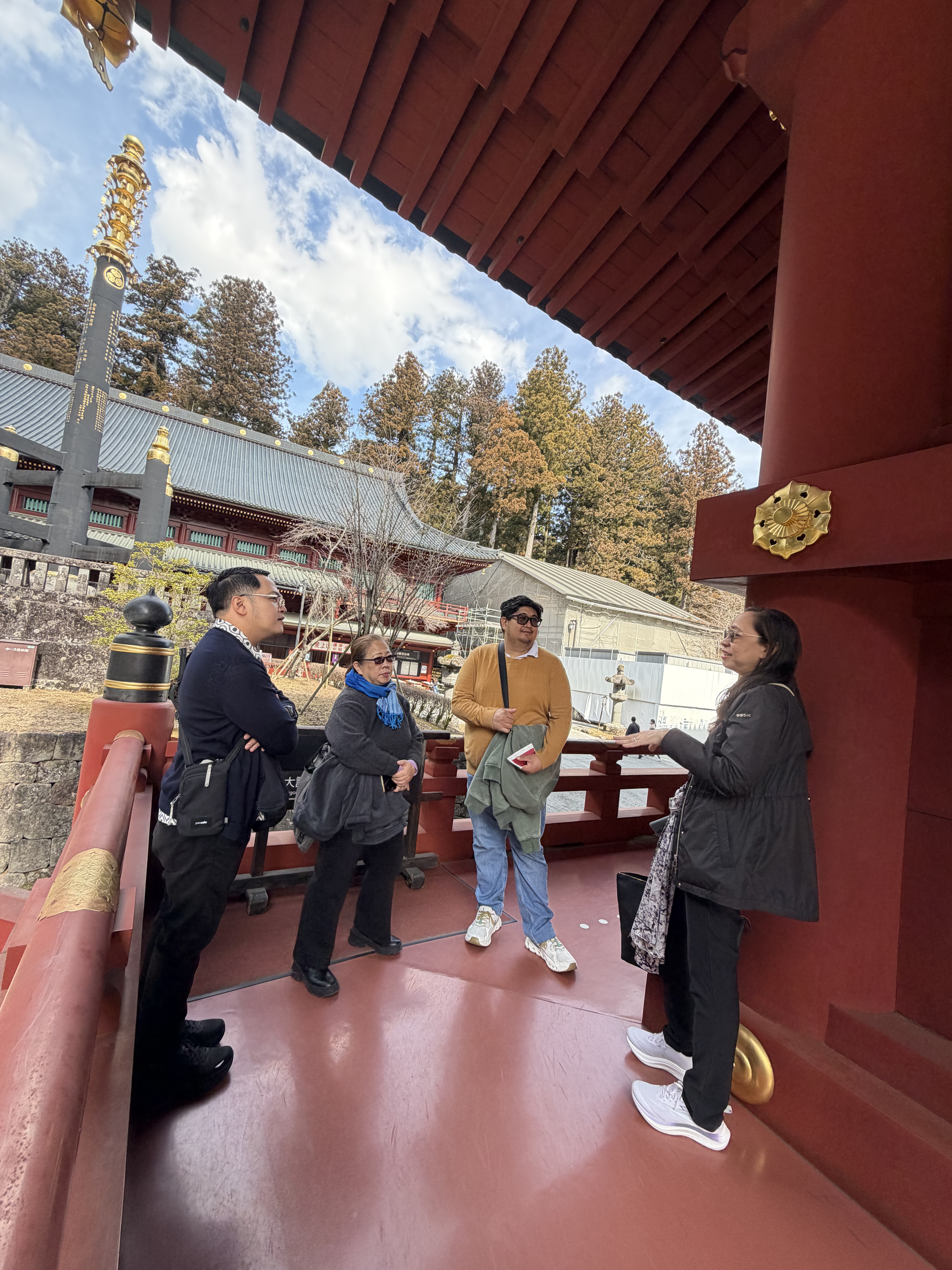
Finally, on February 28, the team held discussions with experts on indigenous knowledge and cultural preservation in Nikko, home to the UNESCO World Heritage Site collectively known as the Shrines and Temples of Nikko. The discussions focused on traditional techniques, materials, and original designs that current community members in Nikko use to preserve the integrity of 17th-century Edo-period structures.